Green is for hope
Project area: Dano
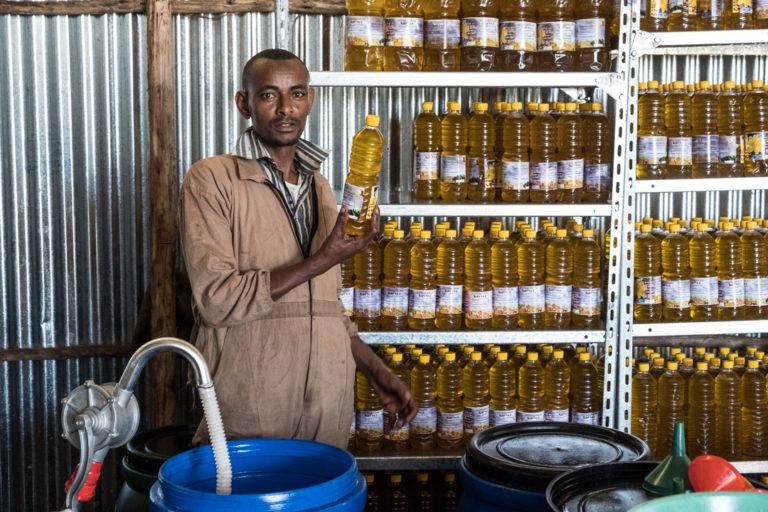
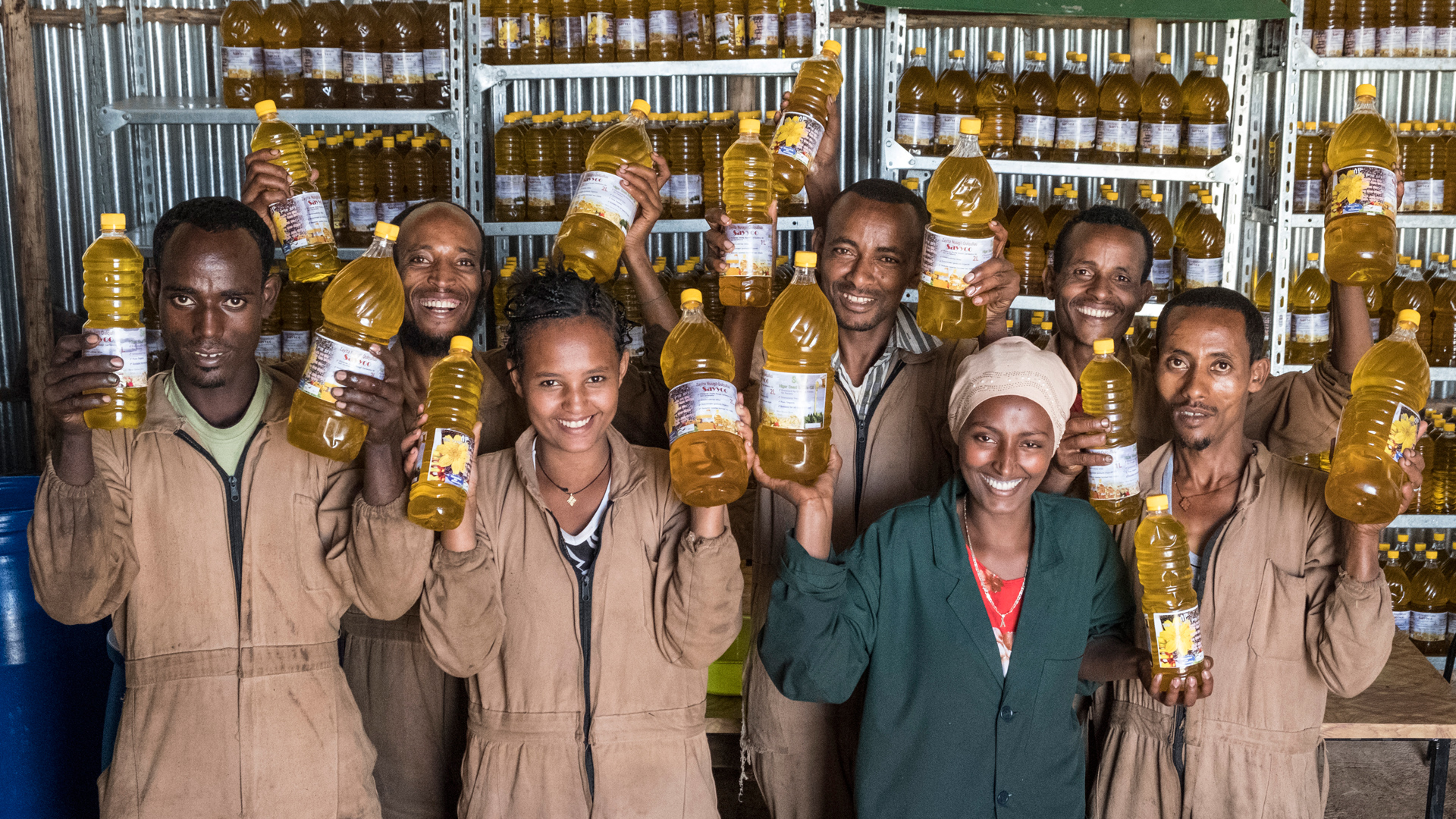
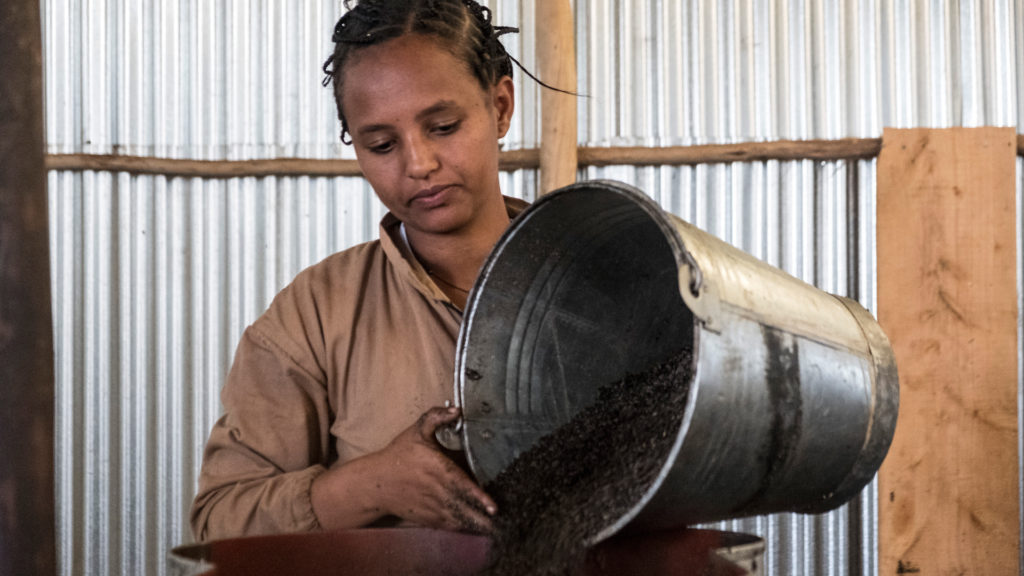
The village of Ayeru is located a few kilometres from the town of Seyo in the Dano project region, about 230 kilometres west of Addis Ababa. In early 2017 Sheleme Jonfe and nine fellow youngsters came together at the initiative of the Menschen für Menschen Foundation to form a cooperative. Their business model is remarkably simple: they buy sacks of Niger seed – the oily seed of the guizotia plant that is used for many purposes in Ethiopia – from farmers in the surrounding area. Then they free the seeds from impurities and sell them to an oil mill.
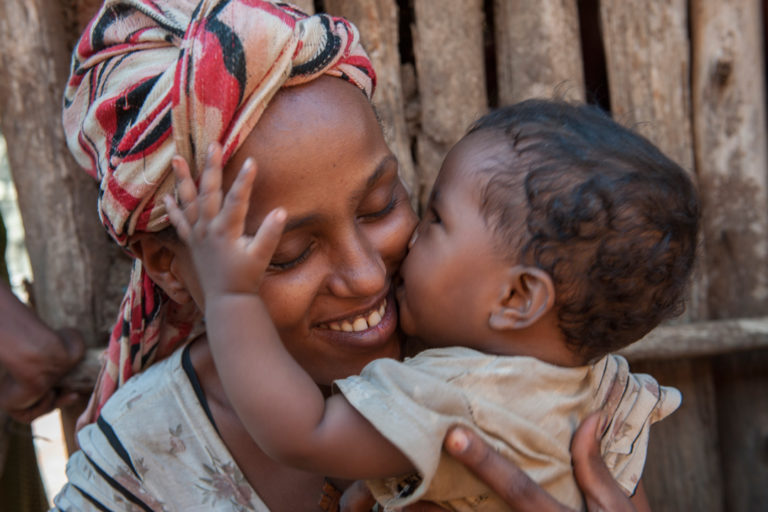
They called their cooperative “Spring Culture”, perhaps because this founding was the start of a new life for them all. Prior to becoming young entrepreneurs, the women and men were unemployed – and there were no signs that this situation would soon change. “My husband, our son and I used to subsist on what our small piece of land yielded. But it was never enough,” says Sheleme. “Since we started the cooperative, I can contribute something to the household expenses.”
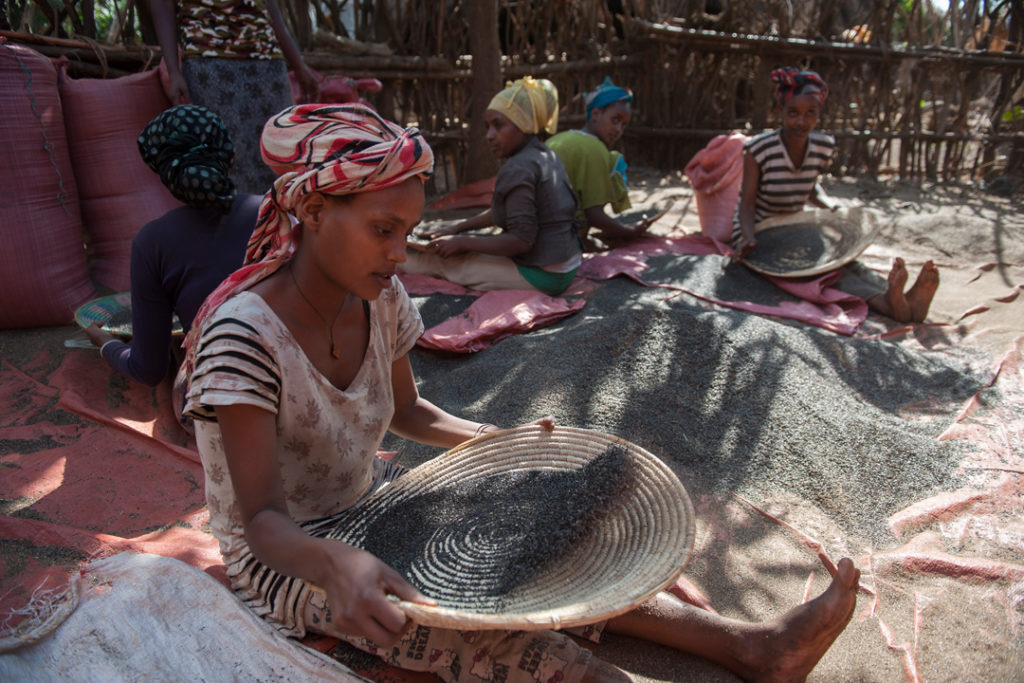
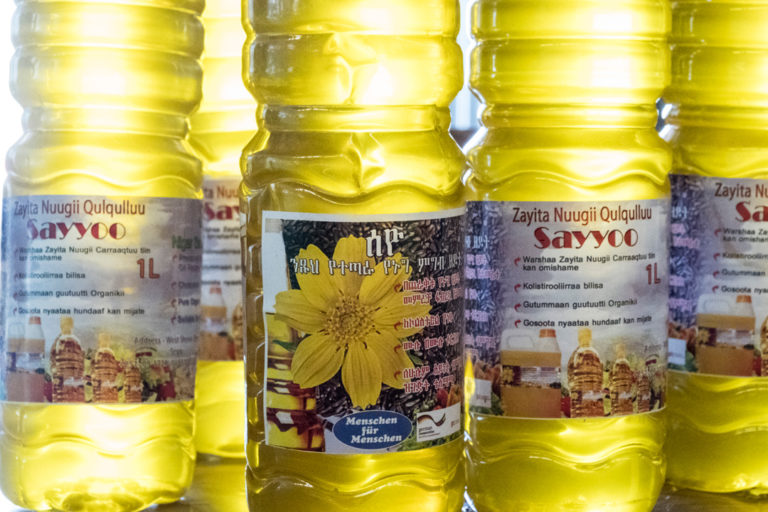
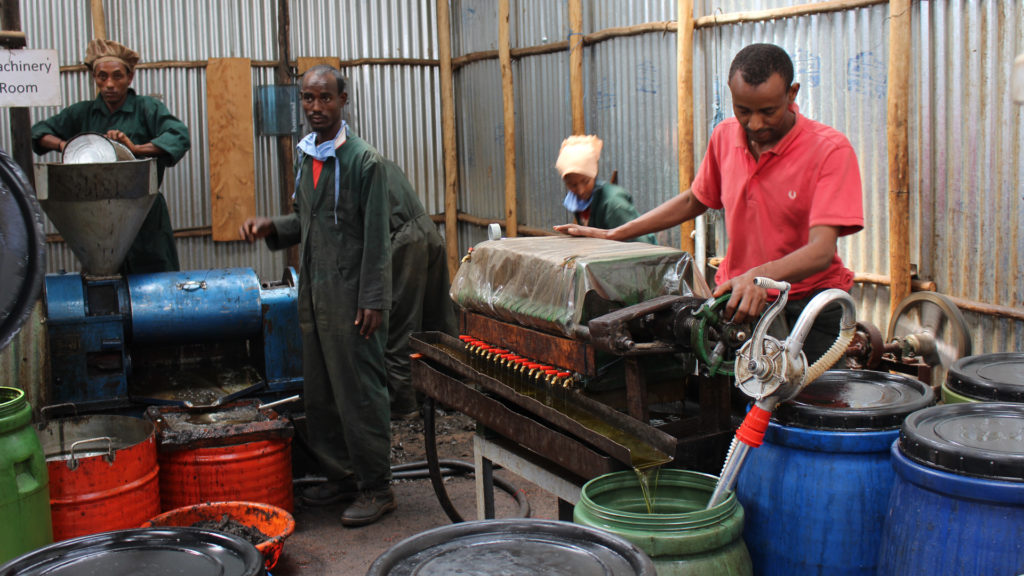
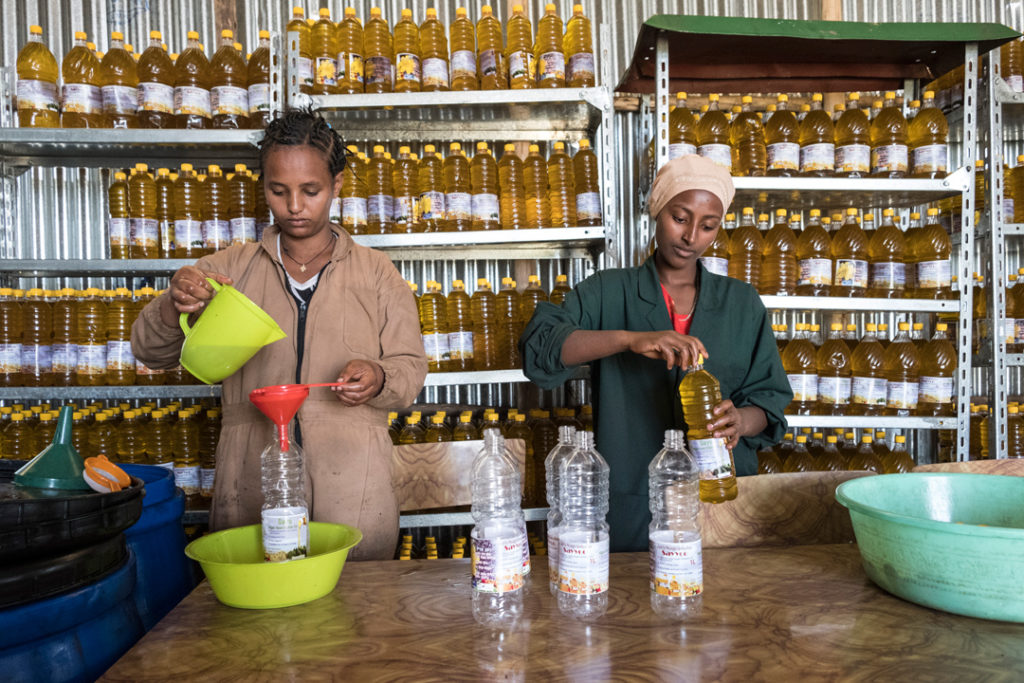
The “Spring Culture” cooperative is part of an initiative that Menschen für Menschen has been implementing in the Dano project region together with the GIZ, the German Society for International Cooperation, since the end of 2015. The project has been named the “Green Innovation Centre”, and its purpose is to create agricultural value-added chains, and thus jobs and income in rural areas. In the case of the unprocessed Niger seeds, instead of being transported by truck to the nearest large oil mill, as was earlier the case, today the oilseed stays in Dano, where the oil is extracted in a number of steps. Various fledgling businesses work together closely: besides the “Spring Culture” cooperative there is a further start-up that operates the oil mill.
Benefiting from the region´s potential
Another example is the honey produced by a beekeepers’ cooperative. It is passed on to a cooperative that specializes in freeing it from beeswax. Then other young entrepreneurs package the honey and pass it on to a fourth cooperative that is responsible for marketing. From vegetables and seeds to animal feed: two-and-a-half years after the founding of the Green Innovation Centre in Dano, more than 400 young women and men are organized in different businesses that process agricultural products locally.
“Our task as a Foundation is to support the cooperatives in the start-up phase,” says Peter Renner. We provide them with start capital and offer them training courses. In addition, we place the necessary infrastructure at their disposal – from the site for their domicile to the motor-powered oil mill.” In line with the Foundation’s motto “Help for self-development”, the goal of the business start-ups is that after the start-up phase they should work autonomously and independently. “They must start to think like entrepreneurs,” says Renner. “That means, for example: sustainable management, building up reserves and independently implementing the necessary changes.”
Future perspective for young people
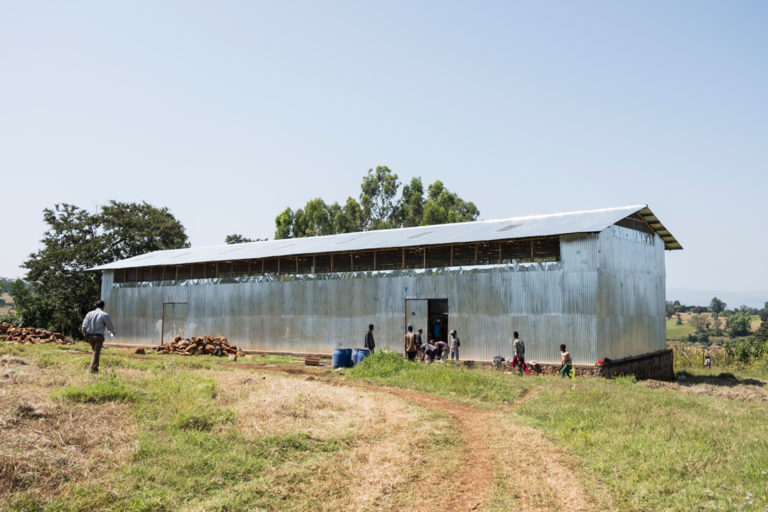
The thirst for action ensuing from such a perspective can be observed on a mound on the fringe of the small town of Seyo. In direct proximity to its local branch office the Menschen für Menschen Foundation established a small business park that effectively became the machine room of the Green Innovation Centre.
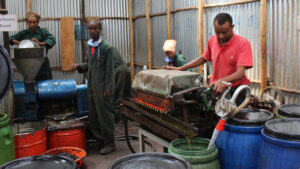
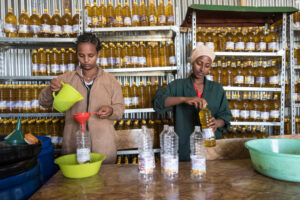
“One day we were approached by men from the mayor’s office,” says Jamal. “They told us about the plans to establish agricultural cooperatives here.” They invited him and the others to a two-day seminar. Retrospectively, Jamal thinks that purpose of the long seminar was to test their will. “Many disappeared after a short while and went back to the khat leaves.”
Jamal persisted. He took a series of training courses – ranging from machine operation to accounting. And when the founding of the cooperative was being discussed and they asked him if he wanted to be their spokesman, he did not hesitate for a second.