Our project areas
Learn more about our current project areas
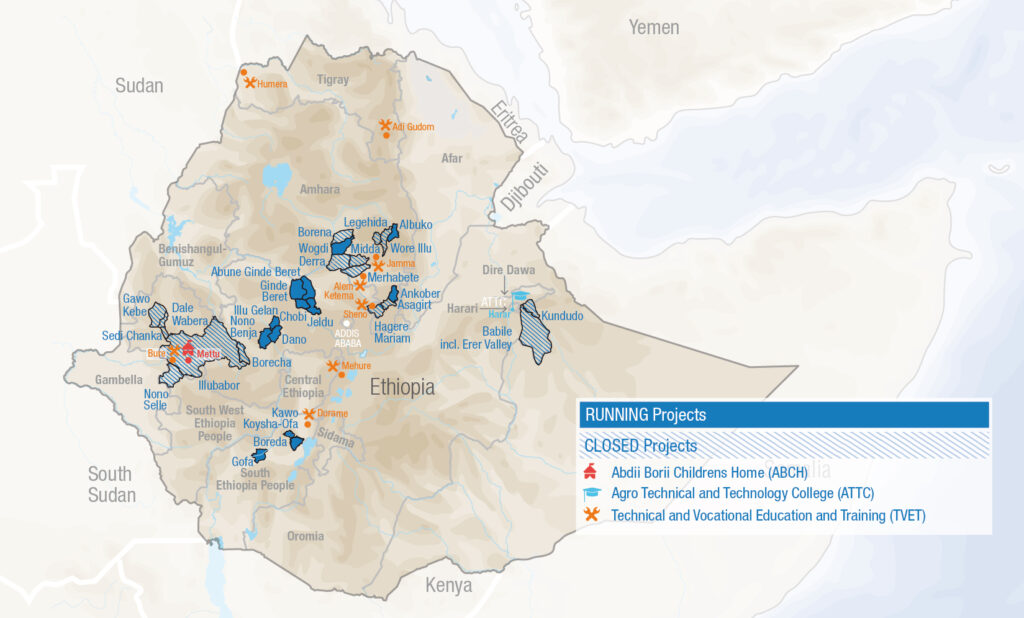
Northern project areas
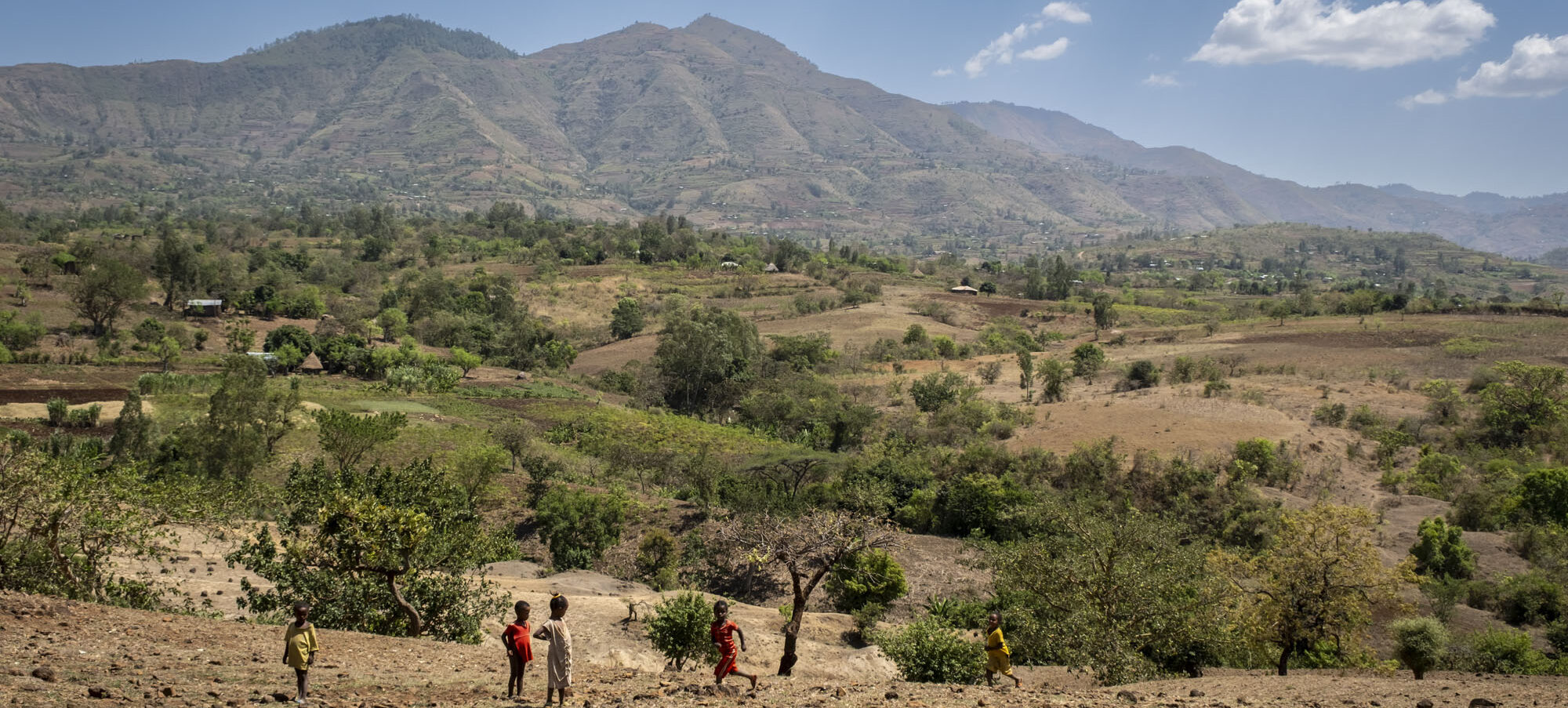
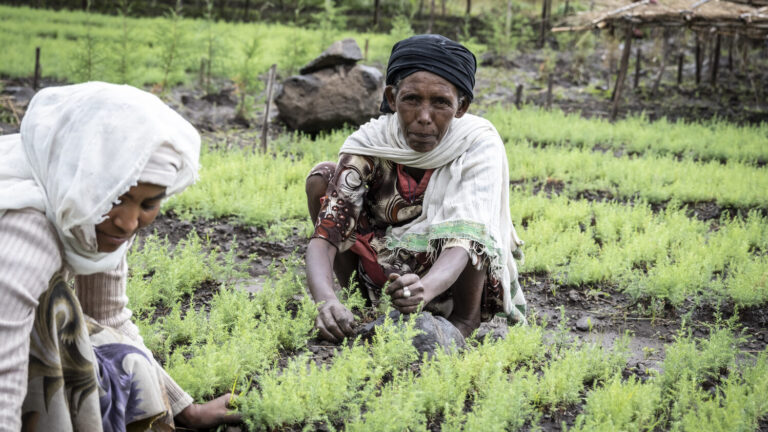
The people who live in small villages in this region are poor. It rarely rains, the soil is dry and forest resources have greatly diminished. Wood is mainly needed for cooking and building houses, but there are hardly any forests left as the people in the region have never learned how to reforest. The lack of trees means that the soil is losing its protection. The consequences are dramatic: when it rains in this dry region, the soil cannot absorb the water and devastating floods occur. Consequently, the top and most fertile layer of soil is washed away and the ground becomes even less fertile.
People suffer greatly from the lack of water. The eye disease trachoma is widespread due to a lack of hygiene. Bacteria cause the eyelids to fold inwards, causing the eyelashes to rub against the cornea. This leads to severe pain and even blindness for those affected.
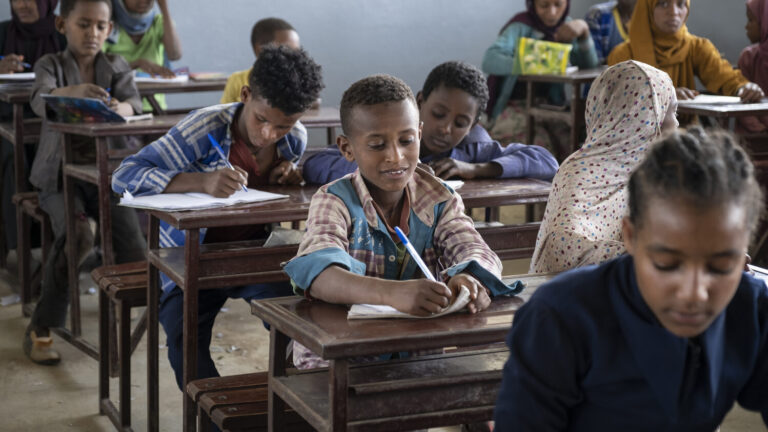
But there is huge potential: New wells, training in improved cultivation methods, reforestation and wood-saving stoves are gradually improving the living conditions of the people. Rivers with water all year round enable irrigated vegetable cultivation and new schools allow children to receive a solid education.
Western project areas
In addition, families drink polluted water, drawn from unprotected water holes from which the cattle also drink. As a result, diarrhea and stomach problems are widespread. Menschen für Menschen is therefore building fenced-in wells from which the children and women can draw clean drinking water.
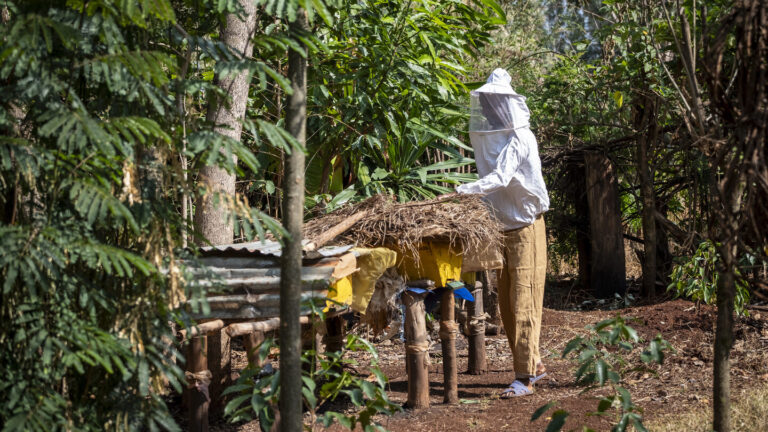
To improve the families’ income and prepare them for bad times, beekeeping courses are offerd, for example. The previous methods produced a low yield and were also life-threatening for the farmers due to the many stings. Modern beehives improve the quality and quantity of honey and the number of stings can be reduced.
Measures in the areas of education and health are also implemented with new schools being built as well as vaccination campaigns and trachoma operations carried out.
North-western project areas
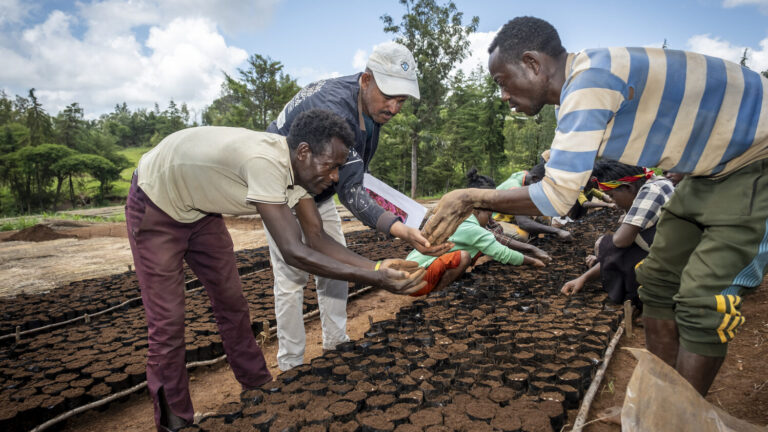
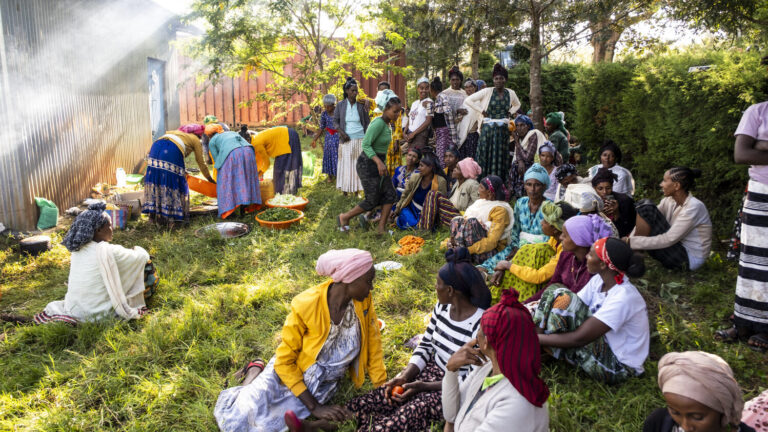
Although there have been repeated efforts to reforest the land in the past, the population lacked the necessary knowledge to implement the measures. There was also a lack of tree seedlings, which are needed in large numbers for the process of reforestation.
Southern project areas
While the area of Boreda covers 464 square kilometers over a high plateau as well as some lower-lying areas on the edge of Lake Abaya, Kawo Koysha, located just a few kilometers northwest of Boreda, extends away from the water at an average altitude of 2,450 meters. In the administrative zone of Gofa, plains at an altitude of around 500 meters alternate with hilly landscapes and mountain regions reaching 3,400 meters.
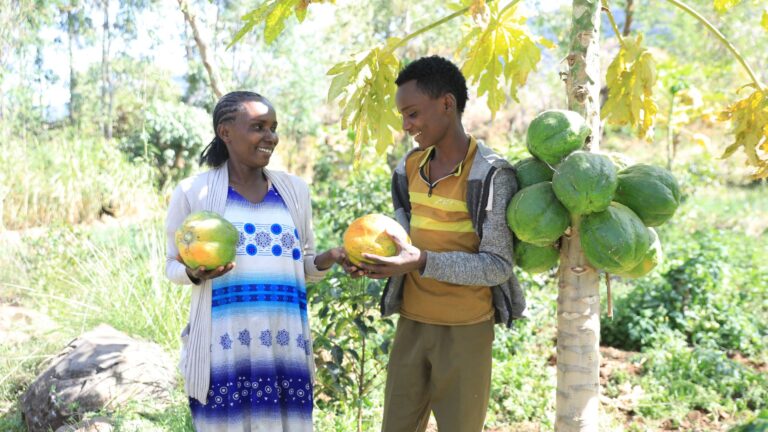
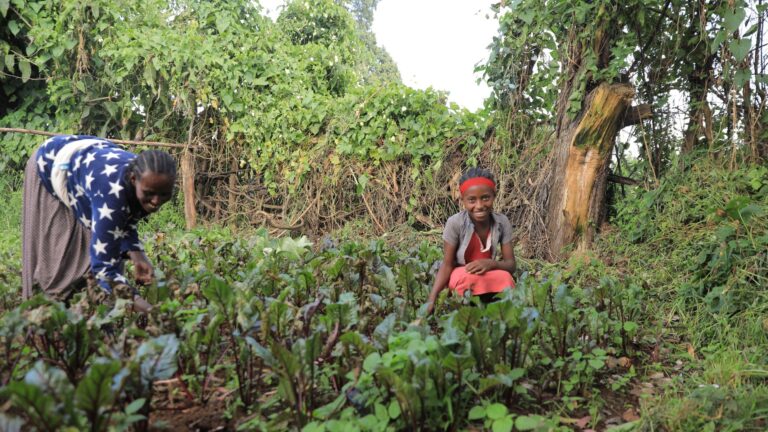
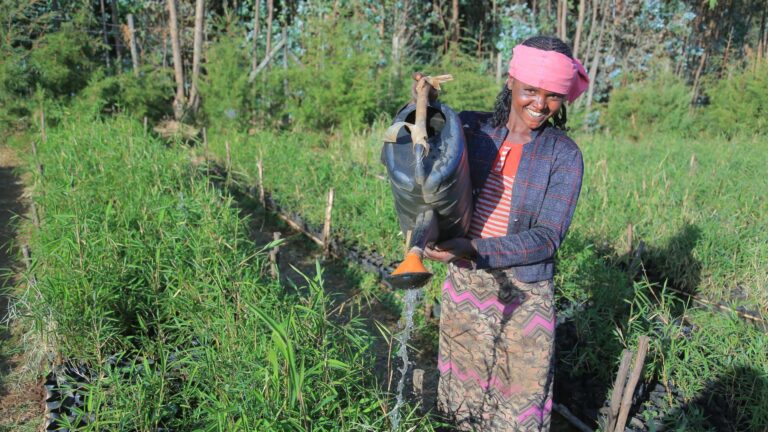
Most of the population of the districts primarily lives from agriculture and livestock farming. However, the harvests are very poor, and families often struggle to feed themselves adequately. Over the next few years, we aim to work together with the people there to make their agriculture more efficient and also to build wells, water points, and schools. Women and young adults will receive microcredits, and we will assist in establishing their own small businesses.