Uterovaginal prolapse (UVP)
How we are helping
“The main causes are prolonged hard physical labour and home births without medical supervision,” explains Mulugeta Tadesse Lema. He is a gynaecologist and one of the doctors who carried out many of the interventions in the Kawo Koysha project area. “The fact that the condition is such a taboo that nobody talks about is a problem. So many women suffer for a long time before we can help them.”
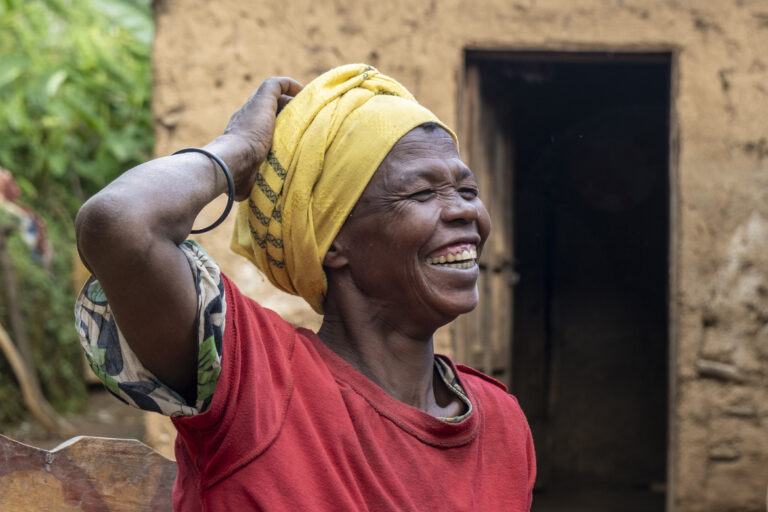
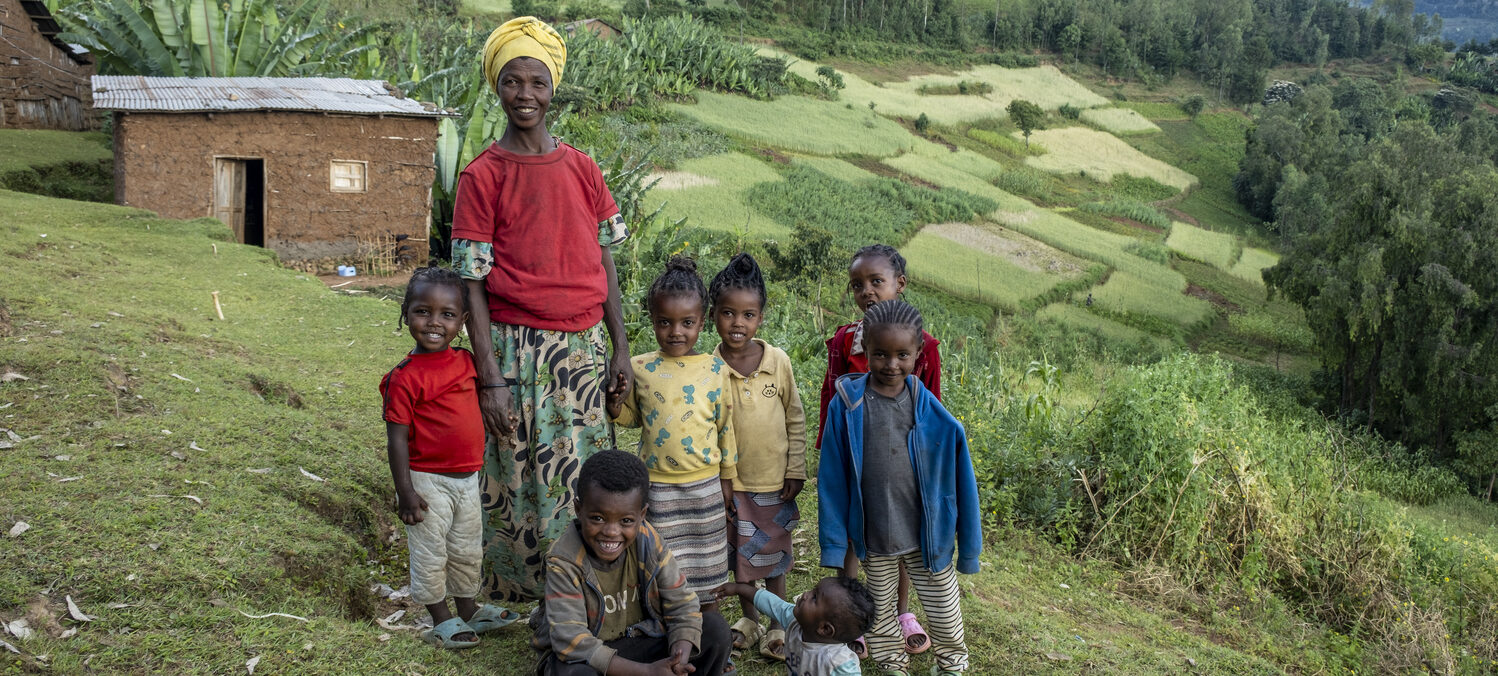
Workinesh grew up in Marea. “Back then, there was no water, no electricity, not even a road,” she remembers. There were recurrent landslides in the area, making it difficult to cultivate the fields. Even as a little girl, Workinesh helped her parents. She hauled firewood, looked after the animals, even ploughed the field. She never attended school. Workinesh had her first child atthe age of 19, and six more followed over the next twenty years. She gave birth to all of them at home. “Only the traditional midwives in the village helped,” says Workinesh. If her life had not been easy up until then, it became even more difficult four years ago. “I was harvesting sweet potatoes when I suddenly had severe pain and a strange feeling in my abdomen,” says Workinesh. Later, when she was changing, she saw what had happened. And remained silent.
Invisible suffering: a taboo in the village
It was only when a social worker from Menschen für Menschen in Marea informed her about the condition and told her about the operation that would fix it, that she confided in her. The Foundation organised the operation and paid for the transport to the hospital. Back at home, Workinesh had to take it easy for the first four weeks. She should also continue to take care not to lift anything too heavy. But today she can go to church again with joy, do light work in the fields, fetch water and play with her grandchildren without pain. “That’s what I’m most happy about.”